
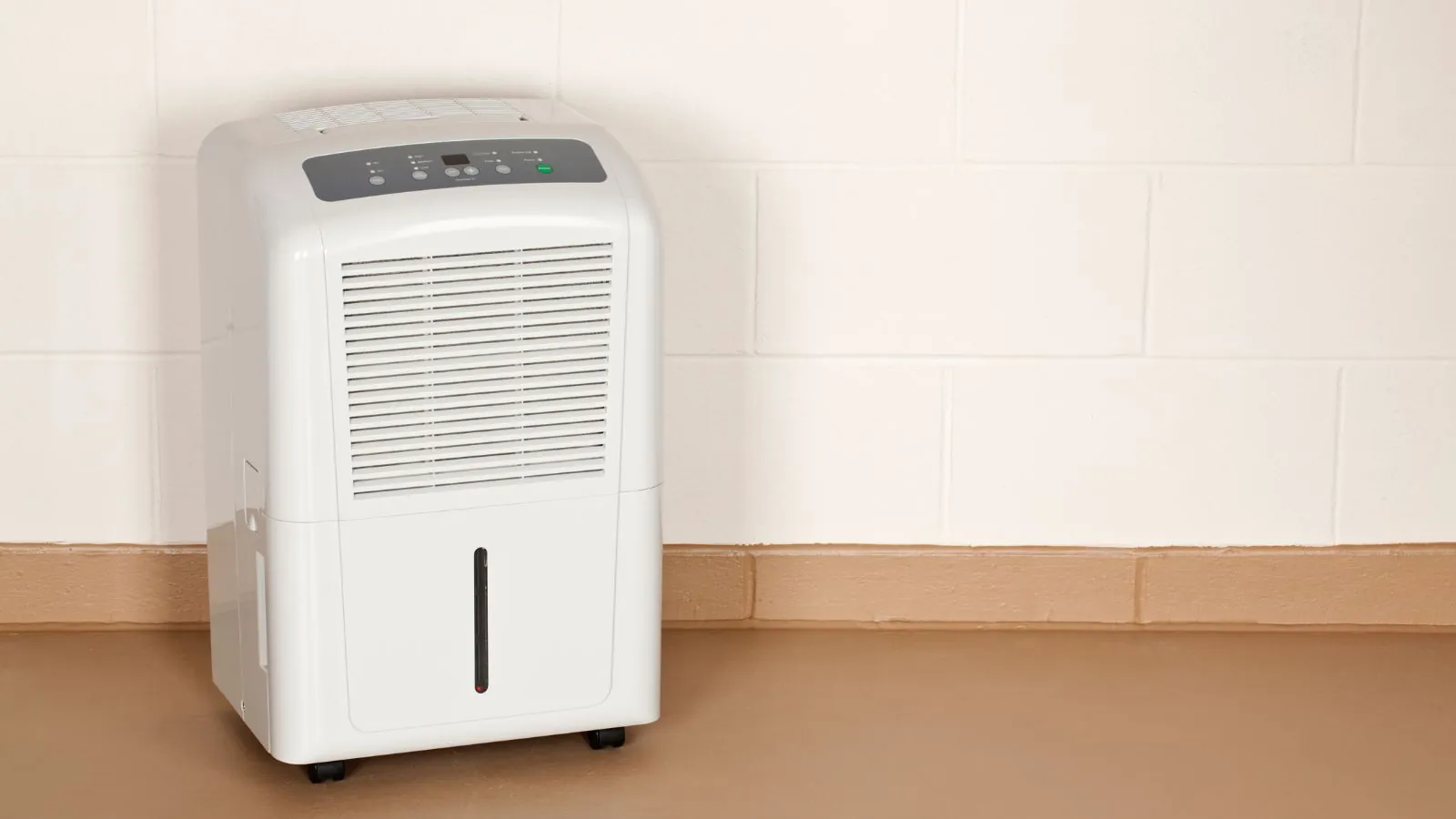
Structural drying and dehumidification is the controlled process of drying wet building materials until moisture readings return to normal, using air movers, LGR dehumidifiers and monitoring. It is the stage that follows water removal and comes before repair, and it is what keeps a wet house from becoming a damp, musty one.
The goal is to dry the materials that can be dried and to prove it with readings. Equipment placement, airflow and temperature all matter, and a dehumidifier running in the wrong spot will not do the job.
Walls that feel damp, floors that feel soft: when the water is gone but the problem is not
Most people notice the aftermath rather than the process. A wall that feels cool and clammy, a floor that has gone warm and soft, a musty smell hanging around days after a leak and baseboards that look stained from the inside are all signs that a building is still wet.
The trade name for what fixes it is structural drying and dehumidification. The water has been stopped or removed, but moisture is still in the framing, drywall, insulation and subfloor. Drying is how that moisture gets out in a controlled way.
The equipment, in plain words
Air movers
Low, high-velocity fans that push air across wet surfaces and speed evaporation from walls and floors.
LGR dehumidifiers
Dehumidifiers that pull water vapor out of the air so the room can keep absorbing moisture from the materials.
Moisture meters
Instruments that read how much moisture is in drywall, wood and subfloor so we can tell dry from damp.
Thermal camera
A camera that shows temperature differences, which helps trace hidden wet areas before opening walls.
Extraction units
Pumps and wet vacuums that remove standing water before drying begins.
Containment and ducting
Plastic barriers and ducts that direct airflow and keep dust and moisture in the work area.
Water mitigation: what it means and where drying fits
Water mitigation is the early work that limits damage while the job is underway. It includes stopping the source, removing standing water, pulling wet materials that cannot be dried and setting drying equipment. Drying is the longest part of that effort.
Mitigation is not repair. Repair is rebuilding what was removed, such as drywall, flooring and paint. We keep the two separate so you can decide how to handle repair, and so the scope you approve matches the work being done.
Call the line and describe what you feel and smell. We explain how drying works before any equipment is placed.
How moisture mapping guides a drying job
We start with readings in more than one place. A moisture map records where materials are wet, how wet they are and where the edge of the damage sits. Readings are repeated on each visit, and the equipment is adjusted as the map changes.
This is the step that tells you whether a floor needs to be lifted and whether a wall needs to be opened. It is also the documentation your insurer may want. Our ceiling and wall and drywall pages show how that mapping applies to specific surfaces.
How long does drying take
There is no honest single answer. Drying time depends on the material, the amount of water and the conditions in the building, and we measure it with readings, not a calendar.
| Material | What affects drying | How we judge it |
|---|---|---|
| Drywall and plaster | Thickness, paint and how long it stayed wet | Moisture reading against a dry reference |
| Wood framing and subfloor | Density and exposure | Readings on each visit, and sometimes an open cavity |
| Hardwood and laminate | Species and board type | Readings and whether boards have cupped |
| Carpet and pad | Pad absorbs and holds water | Pad is often removed, carpet dried or replaced |
| Concrete | Slow to release moisture | Repeated readings before finishes go back |
Why equipment stays until the readings say so
The most common mistake is pulling equipment too early. Surface feels dry, readings still show wet framing, and a damp spot shows up weeks later in a wall that was closed up.
We return on a schedule, record readings and leave equipment in place until the materials reach normal. A noisy dehumidifier in a bedroom for a few days is a reasonable trade for avoiding a second round of repairs. If the area stayed wet long enough that growth appears, mold remediation is a separate decision.
What affects the cost of structural drying
Drying cost follows equipment, days and the amount of material involved. We explain scope and price before work starts.
| Factor | How it changes the job |
|---|---|
| Area and number of rooms | More space needs more air movers and dehumidifiers |
| Material type | Dense or layered materials take longer and need more monitoring |
| Days of drying | Equipment time and return visits scale with the schedule |
| Water category | Contaminated water adds removal before drying can start |
| Access and containment | Tight spaces and containment add setup work |
Insurance often responds to drying that follows sudden and accidental water damage, and it often does not respond to damage from a long, slow leak. Check your policy or ask your insurer what it wants from the drying records, and we will give you readings and photos.
Equipment rentals and drying across Bellmore
Equipment is part of a full drying job so readings can be tracked, and we explain what each piece does when you call. For homes and shops in ZIP 11710 and nearby areas like Freeport, the line is open 24/7 and same-day response is offered when available.
After a storm that floods many homes at once, equipment gets stretched thin, so earlier calls matter. Press reports from Hurricane Sandy in 2012 describe several feet of water in parts of South Bellmore, and drying started soon after the water left is what saves materials.
Safety checks while drying equipment runs
Do this first
- Keep cords and equipment clear of standing water and do not unplug or move machines without asking
- Keep children and pets away from air movers and dehumidifiers
- Close doors and windows in the drying area so humid air does not return
- Do not turn off equipment to save power, because stopping early leaves moisture in the structure
- Note the readings the crew records so you can compare them at each visit
The standard behind the work
The published standard for water damage restoration is ANSI/IICRC S500. You can ask any company whether its crews work to it.
Frequently asked questions
It depends on the materials and the amount of water, and it is measured by moisture readings rather than a set number of days. We check readings on each visit and tell you when the structure is dry.
Equipment is part of a full drying job so we can track readings and place it correctly. Ask when you call, and we will explain what each piece does.
Possibly. Damp or cool walls after a leak often mean moisture remains inside. A moisture meter and a thermal camera show whether the wall needs drying or opening.
Mitigation is the early work that limits damage, including stopping the source and removing water. Drying is the longest part of mitigation and is done with equipment and monitoring.
No. Drying gets materials back to normal moisture. Repair rebuilds what was removed, such as drywall, flooring and paint.
Often when the water damage was sudden and accidental. Check your policy or ask your insurer, and keep the moisture readings and photos we provide.
Call the line any hour and describe what you see. We will explain the scope and price before work starts.