
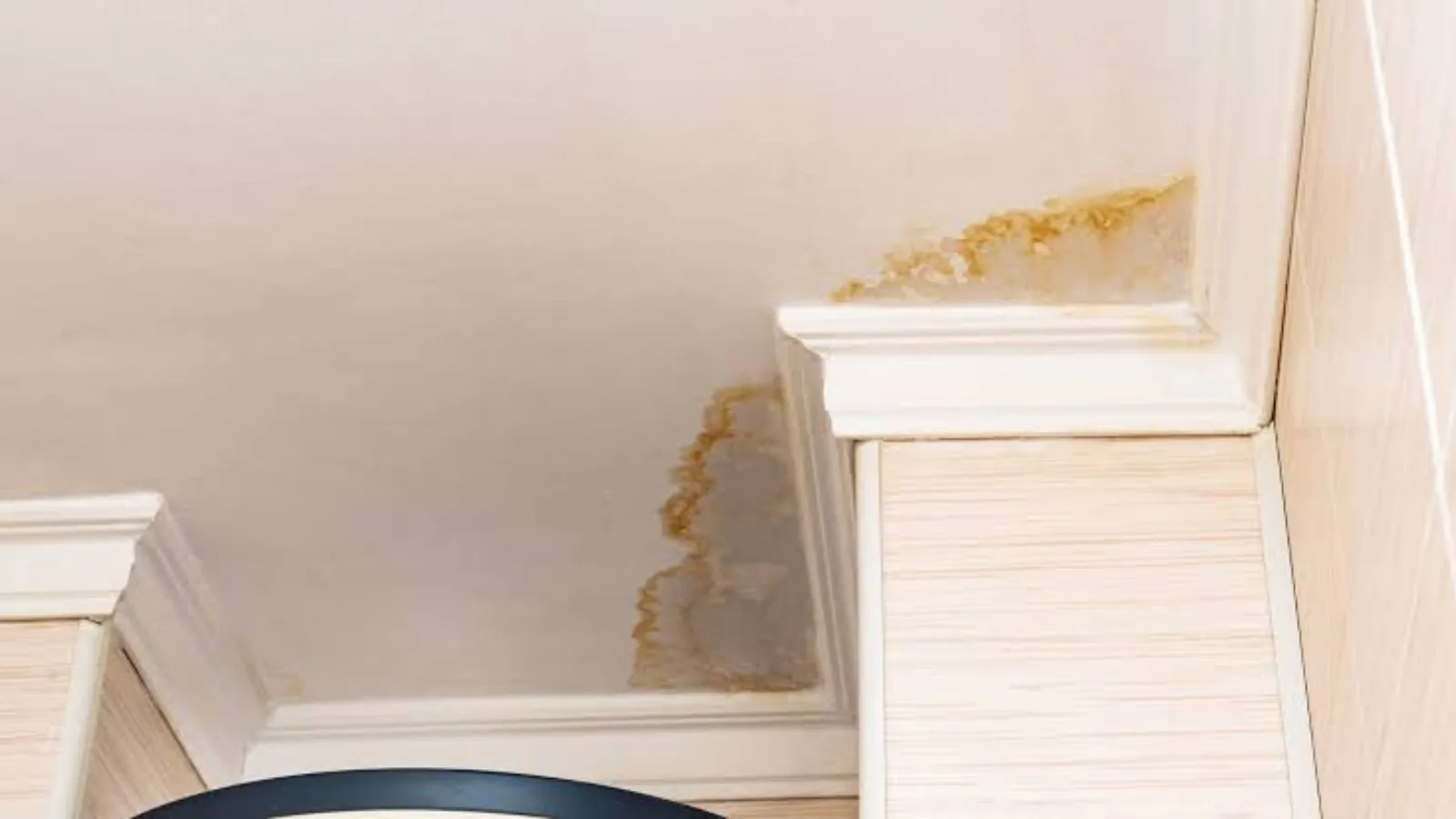
The steps are simple even when the situation is not. Make the area safe, stop the water, document everything before you clean up, contact your insurer as soon as possible and keep every receipt. The New York Department of Financial Services gives that same core advice for disaster and flood recovery.
This guide walks through those steps in the order they usually happen in a Bellmore home. It does not predict whether a claim will be approved, because only your insurer decides that. It focuses on what you control, which is the quality of your records and the speed of your calls.
Step one: make it safe and stop the source
Before anything else, stop the water if you can do it safely. Close the main valve for a plumbing failure. If water has reached outlets or the panel, stay out and call 911 or your utility.
Taking reasonable steps to prevent further damage is something most insurers expect. Save the receipts for any emergency work you pay for, because reasonable emergency costs are often part of what you discuss with your insurer later.
Step two: document before you clean up
The state tells homeowners to document losses before cleaning anything up. Take wide photos of each affected room, then close-ups of the water line on walls, the damaged flooring and every ruined item. Add short video walk-throughs while you narrate what you see.
Do not throw away large damaged items until you have photographed them and, where possible, talked to your insurer. If something must be removed for safety, keep a clear photo and a note of its age and approximate value.
Call the 24/7 line. We take moisture readings and photographs and write down the scope before work starts.
Step three: call your insurer early
The state advises contacting your insurer as soon as possible after a loss. Have your policy number ready, describe what happened in plain terms and ask what the insurer wants to see. Write down the date, the name of the person you spoke with and any claim number.
Be accurate about timing. If you found the leak today but suspect it began earlier, say so. A clear and honest account is easier to work with than one that changes later.
Step four: build an itemized inventory
Insurers commonly ask for a list of damaged contents. Make it room by room, with the item, its age, where you bought it and what you think it cost. Attach receipts, box labels or photos of model numbers where you have them.
The state recommends keeping an itemized inventory plus receipts and other proof of value. A shared spreadsheet or a simple notebook works. Update it as you find more damage, since hidden water often shows up days later.
What the adjuster visit usually looks like
Every insurer works a little differently, so treat this as a typical pattern.
| Stage | What usually happens | What you can do |
|---|---|---|
| Before the visit | The insurer assigns an adjuster and may ask for photos | Send your photos, your inventory and any invoices |
| During the visit | The adjuster looks at the damage and the source | Walk the whole path of the water, including hidden spots |
| After the visit | The insurer reviews your policy and the estimate | Ask when to expect a written decision |
| If drying is needed first | You may be told to protect the property | Keep moisture readings and a written scope of drying |
If a claim is denied or the amount seems low
The state says that if a claim is denied, the insurer should give a reason that is supported by the language in the policy. Ask for that reason in writing and compare it to the exact policy wording.
If the dispute is about the amount, the state notes that disagreements may go to the appraisal process in the policy. Keep your records organized, ask questions calmly and consider asking the state insurance department how to raise a complaint if you believe the response was unfair.
Common mistakes that slow a claim
The most common mistake is cleaning up before taking photos. The second is throwing out ruined items with no record of what they were. A third is waiting to call the insurer until the damage has been repaired, which leaves nothing for an adjuster to review.
Another frequent problem is a vague timeline. Write down when you first noticed the water, what you did and who you called. That short log keeps your story consistent from the first call to the final conversation, and it takes ten minutes while the details are fresh.
Keeping records during drying and repair
Drying work creates its own paperwork. Ask for the readings recorded on each visit, a list of materials removed and the equipment placed in the home. These show how the loss developed and when the structure reached normal moisture levels.
Keep invoices from plumbers, electricians and any emergency services together in one folder. When your insurer asks a question weeks later, you can answer from the folder instead of from memory.
Claim steps for a Bellmore household
The Town of Hempstead Building Department, at One Washington Street in Hempstead, enforces plumbing and electrical codes, and its online permit center handles permits for repair work. Before you hire anyone to rebuild, ask the department what permits your repair needs, because permit rules vary and a claim estimate may not include permit time.
Local press reports show Bellmore streets such as Linden Street flooded by Newbridge Creek after heavy rain in 2020. If your claim involves rising water from a storm, ask your insurer early whether a flood policy applies, since the state says the typical homeowners policy does not cover flood.
When the drying phase begins, the structural drying page and our sewage backup page show how readings are recorded. We also work across the service area, including Freeport.
Frequently asked questions
As soon as possible, according to the state. Call before major cleanup if you can, and keep photos and receipts from the first hour.
Taking reasonable steps to prevent more damage is usually expected. Tell your insurer what you are doing and keep photos, readings and a list of removed materials.
Receipts, photos of model numbers, bank statements or any record showing what an item cost. The state advises an itemized inventory with receipts and other proof.
The claim is between you and your insurer. A restoration company can provide documentation such as photos, readings and a written scope.
Ask for the reason in writing. The state says a denial should give a reason supported by policy language, and you can compare that language to the policy.
Permit rules vary, so ask the Town of Hempstead Building Department before rebuilding. Plumbing and electrical work in particular is enforced by that department.
Call the line any hour and describe what you see. We will explain the scope and price before work starts.