
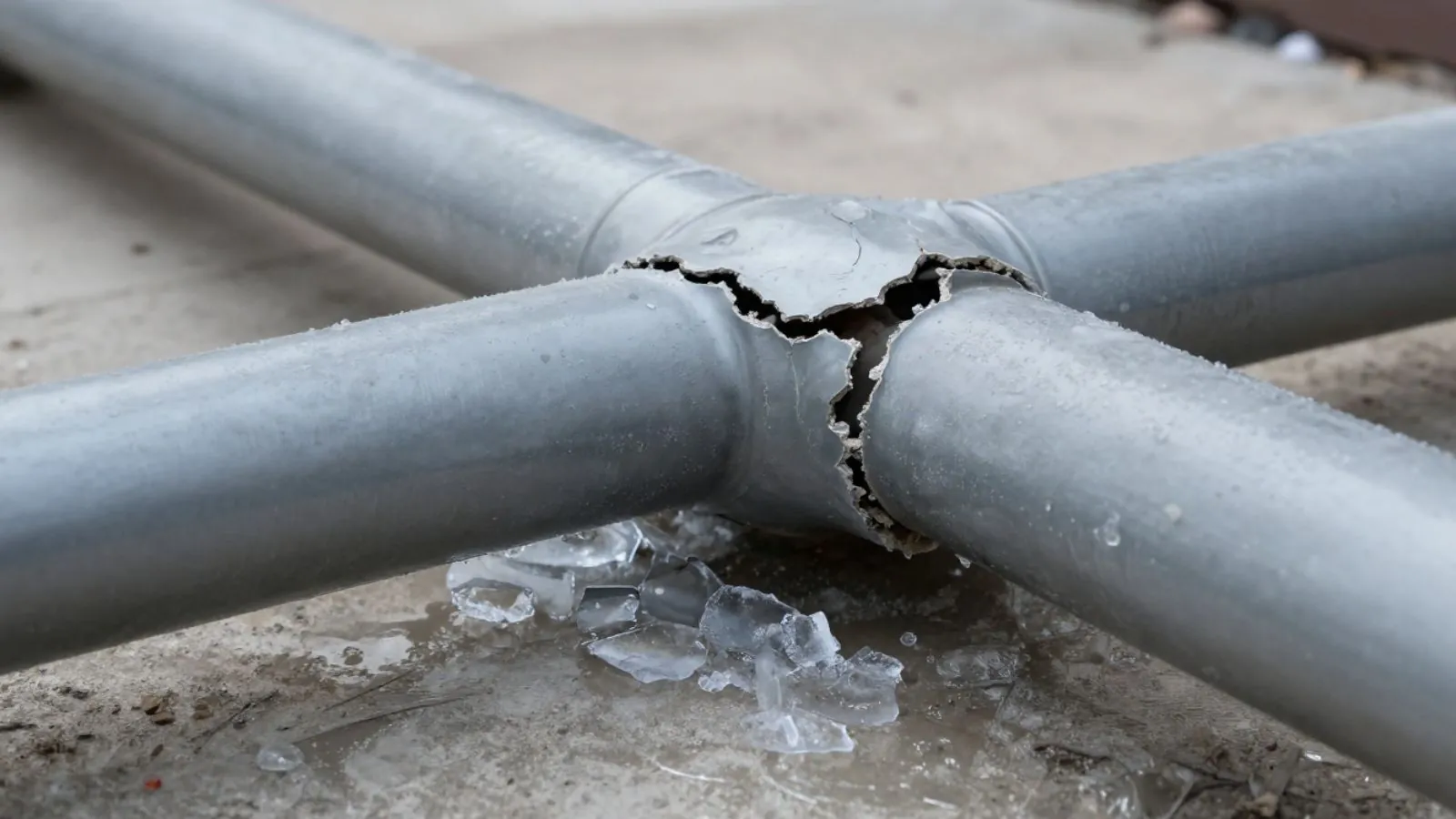
Seasonal water damage risks in a Bellmore home change through the year. Spring brings heavy rain and thaw, summer brings thunderstorms and humidity, fall brings tropical systems and coastal surge and winter brings freezing and thawing of pipes. A short checklist for each season catches most problems early.
This guide describes mechanisms rather than local rainfall numbers, because the exact figures vary and should come from the National Weather Service. Use it as a calendar of what to inspect and when.
Spring: rain, runoff and thaw
Spring rain and melting snow load the ground. Soil near the foundation becomes saturated, gutters overflow and water finds small cracks. Check the basement walls and floor after the first heavy rain and look for damp patches or new stains.
Inspect the roof edges and gutters for winter damage and clean them. Confirm downspouts discharge away from the house. If you use a sump pump, test it before the wet weeks begin.
Summer: thunderstorms and humidity
Short intense storms can overwhelm drains. Roof leaks that went unnoticed in the dry months show up as ceiling stains. Air conditioners produce condensation, and a clogged drain line can drip into walls or ceilings.
Check the condensate line from your air handler, look at the ceiling under bathrooms and the attic after storms, and use a dehumidifier in basements to keep humid air from condensing on cool walls.
Call the 24/7 line. We explain the scope and price before work starts.
Fall: tropical systems and coastal surge
Late summer and fall are the season for tropical storms and strong coastal systems. Storm surge can push water back through storm drains in low-lying South Shore streets, and rain can arrive in bands that fill drains quickly.
Clean gutters after leaves drop, review flood coverage before storm season peaks and move valuables off basement floors when a major storm is forecast. Check outdoor faucets and shut off hose lines before the first cold nights.
Winter: freeze, thaw and ice
Pipes in unheated spaces such as exterior walls, crawl spaces and garages can freeze, and the damage often appears when they thaw. Ice at roof edges can force water under shingles and into ceilings.
Keep cabinet doors open on exterior walls during a hard freeze, let a faucet drip, know where your main valve is and look for water stains after a thaw. If a pipe has frozen, do not use an open flame to thaw it.
The calendar at a glance
| Season | Main risk | Check this |
|---|---|---|
| Spring | Runoff, saturated ground, gutter overflow | Basement walls, sump pump, downspouts |
| Summer | Thunderstorm downpours, AC condensation | Ceilings, attic, condensate line |
| Fall | Tropical systems, coastal surge, clogged gutters | Gutters, flood coverage, valuables |
| Winter | Frozen and burst pipes, ice at roof edges | Exterior wall pipes, faucets, ceilings after thaw |
A routine that takes less than an hour each season
- Walk the basement and look at wall bottoms for stains.
- Run water through every drain and look for slow ones.
- Check under sinks and behind appliances for dampness.
- Look at the ceilings for new stains.
- Photograph the house so you have a clean baseline.
Repeating the same checks each season builds a record, and a record makes it clear when something is new. If you find a problem, our ceiling water damage page and AC leak page show what the repair looks like.
Why small leaks are a year-round issue
Some water problems do not follow the seasons. A supply line under a sink, a washing machine hose or a water heater can fail in any month. A quarterly look at these places catches slow drips before they rot cabinets or flooring.
Replace old rubber hoses on washers and dishwashers when they look cracked or bulged. Know the age of your water heater, and look for rust or dampness at its base.
Matching your checks to your house
A house with a finished basement needs more attention in spring and fall. A house with a vented attic needs summer and winter checks on the ceiling. A house with an older bathroom may need a look at the caulk and the tile grout in every season.
Walk your own house with this calendar and write your own list. Tailoring the checks to what you actually own makes the routine quick and keeps it from becoming a chore you skip.
When to call instead of waiting
If you find standing water, a ceiling that is sagging, a wall that is warm and wet or a smell of sewage, do not wait for the next season. Shut off the source if you can and call the 24/7 line.
A small amount of water caught on the first day is much cheaper to handle than the same water found on day five.
What Bellmore and its neighbors show about the seasons
The National Weather Service records Hurricane Irene on August 28, 2011 with water up to 4 feet deep in Bellmore. That fall-season example is why homes south of Merrick Road should review flood coverage before peak storm months.
Heavy rain in 2014 and 2020 flooded Bellmore streets, according to local press, so summer and early fall thunderstorms are worth watching too. Check basements near Newbridge Creek after heavy rain.
The National Weather Service also logged coastal flooding on December 23, 2022 across the South Shore, with flooded basements reported across the back-bay South Shore. That winter event is a reminder that surge is not only a summer and fall issue. Our service area page covers the towns we serve, including Freeport.
Frequently asked questions
It varies. Spring rain, summer thunderstorms, fall tropical systems and winter freezes each bring different risks, so a seasonal check works best.
Keep heat on, open cabinet doors on exterior walls during a hard freeze, let a faucet drip and know where your main valve is.
After heavy rain, yes. Look at wall bottoms, corners and floor drains for new dampness.
The state says the typical policy does not cover flood. Ask about a separate flood policy.
After leaves fall in late autumn and again in spring, so water leaves the roof properly.
The National Weather Service logged coastal flooding on the South Shore on December 23, 2022. Check the FEMA flood map for your address.
Call the line any hour and describe what you see. We will explain the scope and price before work starts.