
To prepare a Bellmore home for storm season, check your insurance coverage, clear gutters and drains, locate your water and power shutoffs, lift valuables off the floor and make a simple plan for where to go. None of these take long, and each one reduces the damage from water that arrives faster than expected.
This guide is about preparation, not cleanup. If water is already in the house, call the 24/7 line and use the storm water pages for the response. Here we focus on what to do while the weather is still calm.
Check your coverage before the storm
The New York Department of Financial Services says the typical homeowners policy does not cover flood. A separate policy through the National Flood Insurance Program may. Ask your insurer today, not after the forecast turns bad, and write down the answer.
Also ask about water backup. The state says a policy may cover water back-up and sewage damage, for example by endorsement. Write down the answers and keep them with your policy.
Clear the paths that carry water away
Clean gutters and downspouts so roof water does not spill against the foundation. Make sure downspouts discharge away from the house. Clear leaves from nearby storm drains if it is safe to do so.
Check the sump pump if you have one. Pour water in the pit and confirm it starts and discharges. A pump that has never been tested can fail on the first night it is needed.
Call the 24/7 line. We explain the scope and price before work starts.
Know your shutoffs
Find your main water valve and make sure everyone in the household can reach it. Locate your electrical panel and learn which breakers control wet areas. Your water bill names your supplier if you need help locating the main.
Do not turn off power if you must stand in water to reach the panel. If water is near the panel or outlets, stay out and call 911 or your utility. Preparation includes deciding in advance who does what.
A simple pre-storm checklist
| Task | Why it helps |
|---|---|
| Move valuables and papers to upper shelves | Floor-level items are the first to get wet |
| Lift furniture legs onto blocks in a basement | Reduces wicking and staining |
| Photograph each room and your belongings | Gives you a record before any loss |
| Charge phones and keep a flashlight handy | Storms often cause power loss |
| Locate the main water valve and electrical panel | Saves minutes when it counts |
| Test the sump pump and clear drains | Prevents a preventable failure |
Make a plan for people and pets
Decide where you would go if the street floods and who needs help. Do not drive through flooded areas. The Village of Freeport advises against driving through flooded areas and staying away from power lines, and the same sense applies in Bellmore.
Keep medicines, documents and a few days of supplies in one place that is easy to carry. Keep copies of your insurance policy and the agent phone number in your phone.
After the storm: what to do first
Wait until it is safe, then document damage before cleanup, as the state advises. Contact your insurer as soon as possible. If water is standing or walls are wet, call a restoration company quickly, because moisture spreads into materials within the first day.
Our storm water damage page explains the response step by step, and the flood damage page covers rising water and contamination. Use those when the preparation is over and the water has come.
Protecting the building envelope
Look at the roof for loose or missing shingles and check flashing around chimneys and vents. Inspect window and door seals and caulk gaps. Water often enters through small openings that a strong wind-driven rain exposes.
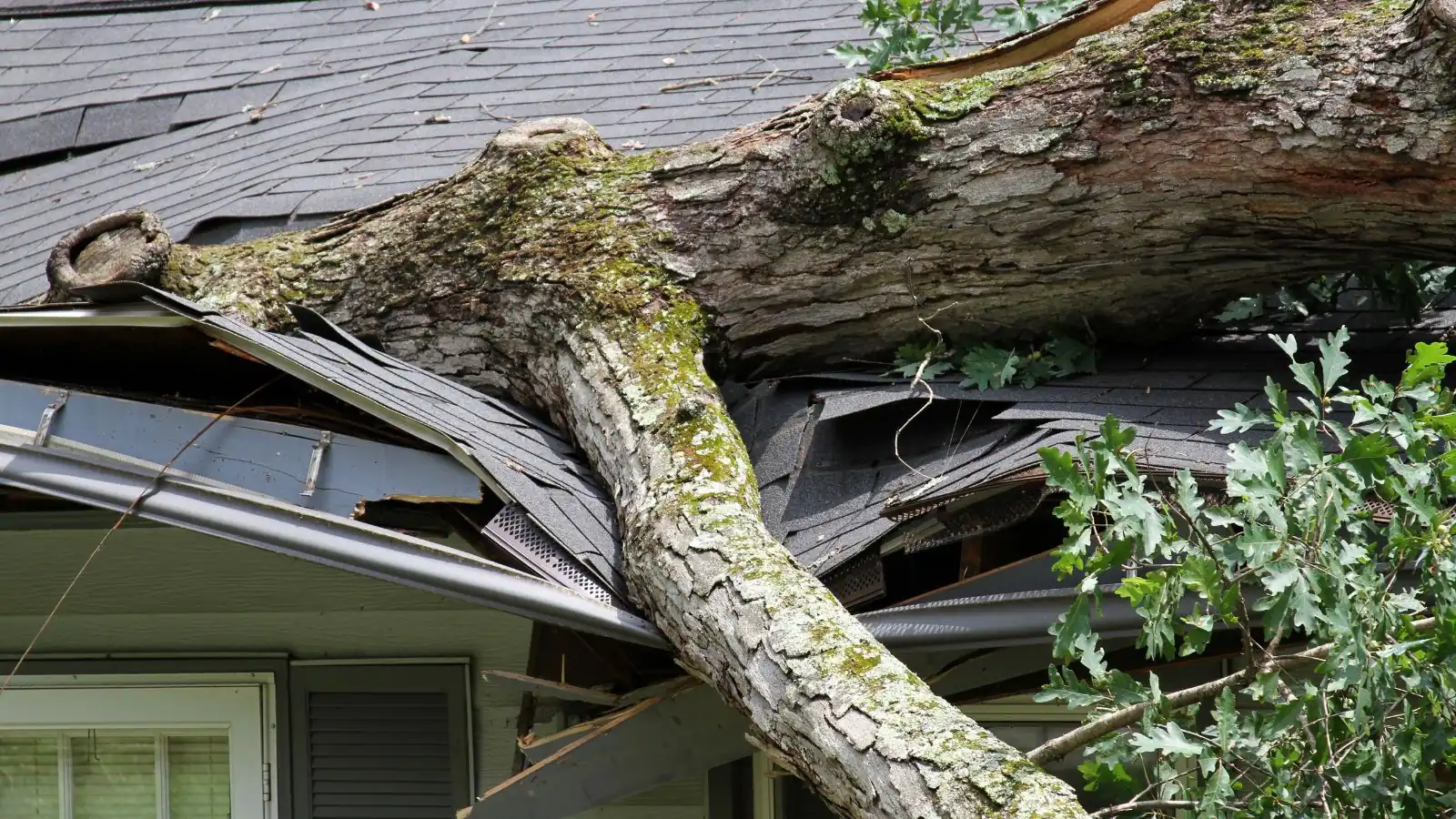
Trim branches that overhang the roof. A limb that lands on the house can open the roof and let rain in, and removing a hazard in a calm week is easier than dealing with it after a storm.
What to put in a go-bag and a records folder
Keep an insurance folder with your policy number, the agent phone number and photos of each room. Add a short list of your belongings with approximate values. These items speed up any claim and are easier to prepare before a storm than after.
Add medications, chargers, a flashlight, a battery radio and copies of key documents. The Village of Freeport lists tuning to NOAA Weather Radio for warnings, and that advice applies anywhere on the South Shore.
What Bellmore storms have shown
The National Weather Service recorded water up to 4 feet deep in Bellmore during Hurricane Irene in August 2011. If you live south of Merrick Road, treat that as a reason to know your flood coverage and to keep valuables above floor level.
Local press reported that Hurricane Sandy in 2012 put several feet of water in parts of South Bellmore and that low streets south of Merrick Road flooded first when a tidal surge pushed water back through storm drains. Clearing nearby drains and keeping an eye on tide-driven flooding are sensible steps for homes in that area.
Heavy rain alone has caused trouble. About 5.2 inches fell in six hours in 2014, with flooding at Newbridge Road and Sunrise Highway, and Newbridge Creek flooded Linden Street in 2020. Homes near the creek should check basements after any heavy downpour. The service area page shows where we work, including Freeport.
Frequently asked questions
The state says the typical homeowners policy does not cover flood. A separate flood policy may. Ask your insurer which events your policy treats as flood.
Papers, electronics and anything that wicks water, such as boxed fabrics. Lift furniture legs onto blocks.
Not usually, unless you are leaving for a long time or expecting a pipe problem. Know where the valve is so you can close it quickly.
In a waterproof bag and as photos on your phone, along with the agent phone number.
Avoid it. It can hide hazards and may be contaminated, and the Village of Freeport advises against driving or walking carelessly through flooded areas.
Local reports include South Bellmore after Hurricane Sandy and areas around Newbridge Creek and Newbridge Road in later heavy rain. Check the FEMA flood map for your address.
Call the line any hour and describe what you see. We will explain the scope and price before work starts.