
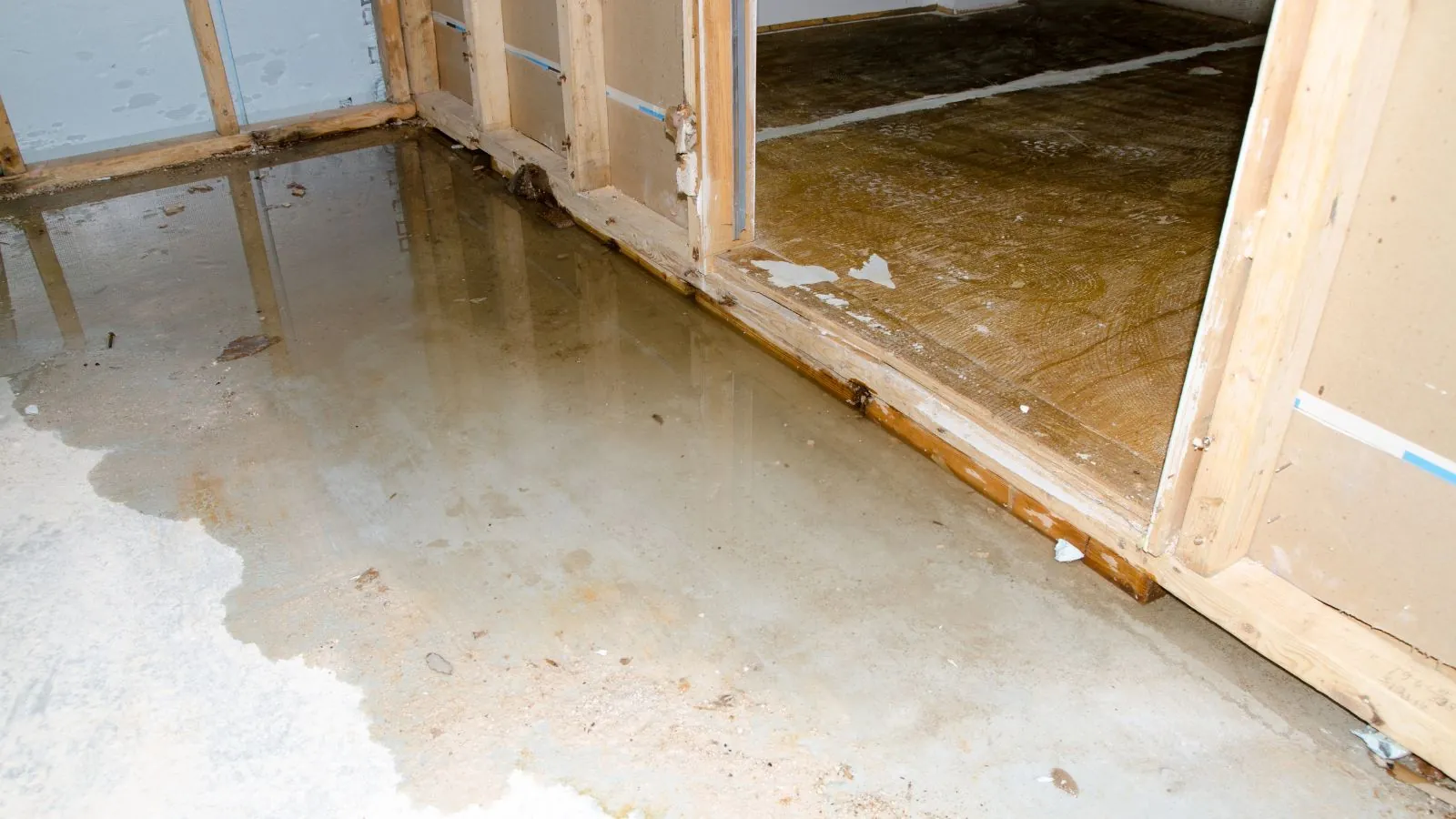
Mold can begin to grow within 24 to 48 hours after water damage if wet materials are not dried. The Environmental Protection Agency advises drying wet items within that window. Visible growth may take longer to appear, sometimes days or more, depending on the material, the temperature and the humidity.
Mold needs moisture, so drying is the key. If you can dry the area fast, you reduce the chance of growth. If you cannot, you should plan for the possibility of testing and remediation.
What mold needs to grow
Mold needs three things: moisture, a food source and a suitable temperature. Household materials such as drywall paper, wood, carpet and dust offer plenty of food, and most indoor temperatures are fine. Moisture is the one you can control.
That is why drying is the focus of any water damage response. If the structure is brought back to normal moisture levels quickly, growth is far less likely. If it stays wet, the odds go up every day.
A rough timeline from the first day
These are general stages. Real timelines vary with the material and the conditions.
| Time since the water | What may be happening | What to do |
|---|---|---|
| First 24 hours | Materials absorb water and begin to swell | Stop the source, remove standing water, start drying |
| 24 to 48 hours | Growth can begin on wet, porous materials | Dry wet items per EPA guidance, discard what cannot be dried |
| Three to seven days | Visible spots or a musty smell may appear | Get moisture readings and consider testing |
| A week or more | Growth can spread on materials that stayed wet | Ask about remediation under the S520 standard |
What changes how fast mold appears
Factors that speed it up or slow it down
- Material: drywall paper, ceiling tile and carpet pad stay wet longer than tile or metal.
- Humidity: damp air slows drying and helps growth.
- Airflow: still air in closed rooms keeps surfaces wet.
- Hidden moisture: wet insulation or framing behind finished walls can stay wet for weeks.
- Temperature: mild indoor temperatures are fine for growth.
Call the line. Moisture readings show what is still wet, and we explain the scope before any work starts.
What to do in the first 48 hours
Stop the water source first. Remove standing water, open the area to airflow and run dehumidification if the air is humid. Pull up wet carpet and pad if they cannot be dried, and photograph everything before removing it.
Throw away porous items that stayed wet and cannot be dried, such as ceiling tiles and soaked insulation. If you are unsure, take moisture readings. A meter shows whether a wall is still wet even when it looks dry.
Signs of a moisture problem you cannot see
Clues to look for
- A musty odor that gets stronger when the room is closed up.
- Paint that bubbles, peels or looks stained near a baseboard or ceiling.
- Wallpaper that lifts at the seams or drywall that feels soft.
- Condensation on windows or pipes that keeps returning.
- Carpet that feels damp underfoot long after a spill or leak.
Dry it or discard it
Hard, nonporous materials such as tile, glass and metal can usually be cleaned and dried. Porous materials such as ceiling tile, insulation and carpet pad hold water and are often discarded if they stay wet. Drywall falls in between and depends on how long it was wet and what the readings show.
When in doubt, take readings before deciding. A wall that reads dry can stay. A wall that reads wet after several days needs attention, even if it looks fine.
What not to do
Common mistakes
- Painting over a stain without finding out why it appeared.
- Closing up a wall or laying new flooring before the materials are dry.
- Running a heater on wet materials without airflow to carry the moisture away.
- Waiting for visible growth before taking any action.
- Scrubbing a large area of growth without a plan, which can spread it.
Mold timing in Bellmore homes
On the South Shore of Nassau County, the air near the coast carries moisture for much of the year, so wet materials dry more slowly in humid months. After a leak or a storm in Bellmore, use dehumidification and keep windows closed during drying unless a crew advises otherwise.
If your home took on water during a storm, such as the heavy rain reported in 2014 or the flooding along Linden Street from Newbridge Creek in 2020, assume materials may still be wet days later. Check the FEMA flood map for your address and ask your insurer about coverage, since the New York Department of Financial Services states that the typical homeowners policy does not cover flood damage.
Testing and remediation, in general terms
If growth appears, testing and remediation follow the ANSI/IICRC S520 standard for mold remediation, and you can ask any company whether its crews work to it. Ask whether your state licenses mold work before you hire. Mold remediation removes growth and fixes the moisture source, but we cannot promise mold will never return, because new moisture can cause new growth.
Questions about how mold affects people belong with a physician. If you see growth, our page on mold remediation explains the steps. If the source was a ceiling leak, ceiling water damage repair covers the wet materials above.
Do not wait for visible mold
By the time mold is visible, it may have been growing for days. Waiting for proof costs time you do not have. If materials were wet for more than a day or two, get readings and plan for the worst.
If you are outside Bellmore, our service area page shows where we work, and Freeport has its own page for village-specific notes.
Frequently asked questions
It can begin within 24 to 48 hours if wet materials are not dried. Visible growth may take longer.
Drying quickly reduces the chance, because mold needs moisture. Follow EPA guidance and dry within 24 to 48 hours when possible.
A musty smell, staining or moisture readings in a wall can point to it. Testing can confirm it.
We cannot promise it will not. If moisture returns, growth can return, so fixing the source matters.
Damp, still air slows drying and helps growth. Dehumidification and airflow help.
It depends on your policy and the cause. Check your policy or ask your insurer.
Call the line any hour and describe what you see. We will explain the scope and price before work starts.