
Most water damage takes about three to five days to dry with proper equipment, though a small, clean leak can dry sooner and a deep soak in dense materials can take longer. Drying time depends on how much water got in, what it soaked, the humidity in the air and how much airflow the space gets.
No one can give an exact number before seeing the loss. What a good crew can do is measure moisture on day one, tell you the target readings and check progress on every visit. The job is finished when the readings say so, not when the calendar says so.
What decides how long it takes
Four things set the pace. The first is the amount of water and how long it sat. The second is the material, because dense wood, plaster and concrete release water slowly while carpet and drywall release it faster. The third is the humidity and temperature of the room. The fourth is the airflow and the equipment used.
Drying is physics. Wet materials give water to the air, and the air has to be kept dry enough to take more. If the air is already humid, drying slows down, and that is why summer humidity on the South Shore can stretch a timeline.
Typical drying times by material
These are general ranges. A real job may be shorter or longer, and readings decide.
| Material | Typical timeline | Why it varies |
|---|---|---|
| Drywall and baseboards | A few days | Thickness, paint layers and whether the cavity behind is wet |
| Carpet and pad | One to three days | Pad is thick and holds water, and sometimes needs to be removed |
| Hardwood floors | Several days to a few weeks | Wood absorbs slowly and dries slowly, and boards can move as they dry |
| Subfloor and framing | Several days to a week or more | Density and thickness hold moisture |
| Plaster and masonry | A week or more | Very dense and slow to release water |
How drying is measured
A moisture meter reads how much water is in a material. A thermal camera shows cool, wet areas behind surfaces. A hygrometer measures the humidity of the air. Readings are taken on day one to set a baseline and again on each visit.
The target is the dry standard for that material, set by comparing it to an unaffected area of the same house. When the wet area matches the dry reference, drying is done. This is the practice described in the ANSI/IICRC S500 standard for water damage restoration, and you can ask any company whether its crews work to it.
Call the line. An assessment with moisture readings shows how far the water went and how long drying is likely to take.
What the equipment does in plain words
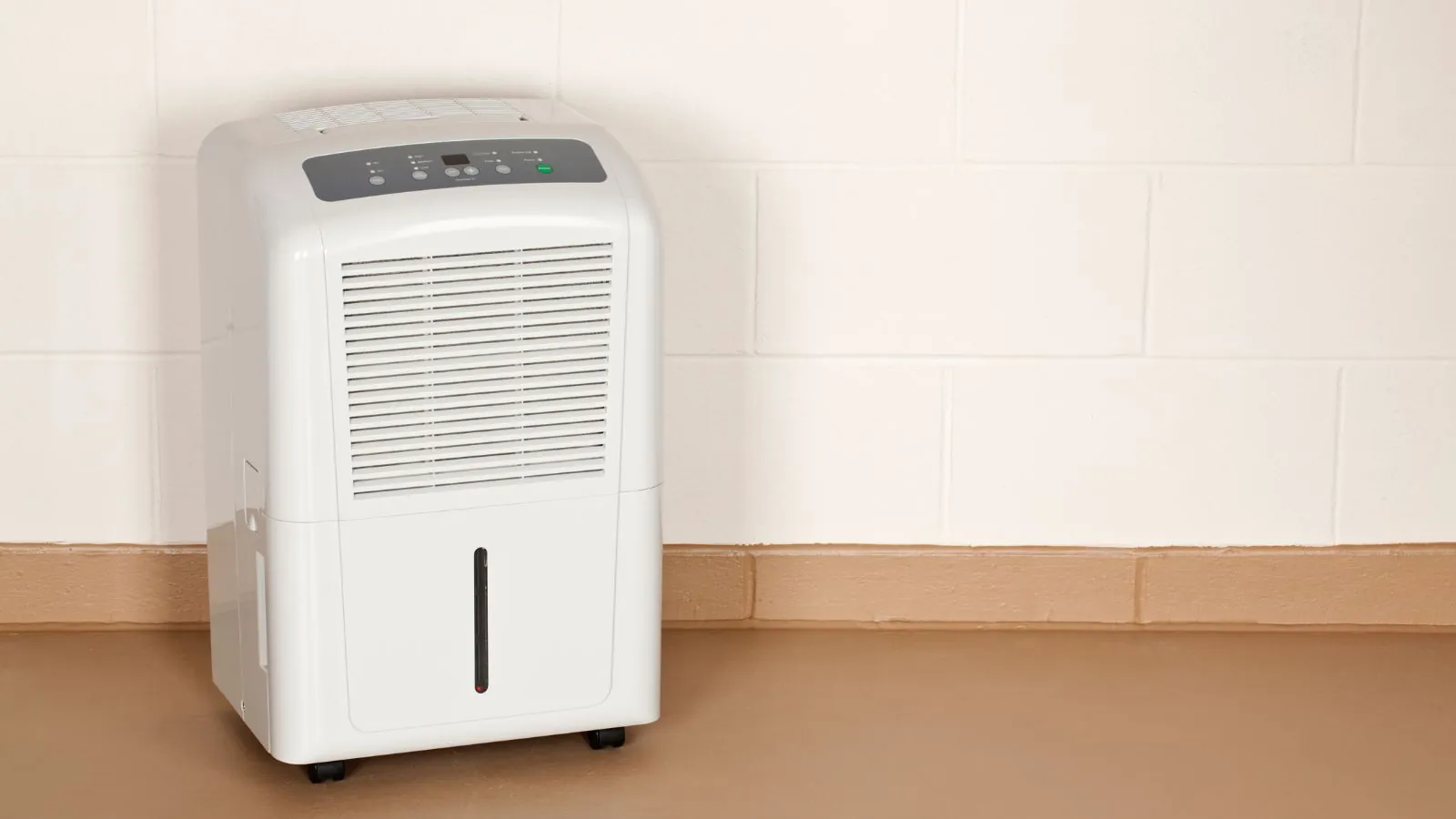
Air movers are high-speed fans that push air across wet surfaces so water leaves them faster. Dehumidifiers pull water out of the air so it can take more. Extraction units remove standing water before drying starts.
Equipment runs around the clock because stopping lets humidity climb again. The crew adjusts it as the readings drop, and pulls it only when the numbers are where they should be.
Things that make drying take longer
Common delays
- The water sat for more than a day before drying started.
- Wet material hidden behind finished walls, under flooring or in the ceiling below.
- Humid weather and closed windows with no dehumidification.
- Layers of paint, vinyl or laminate that trap moisture.
- Equipment turned off early, which lets moisture return.
What a drying visit looks like
On day one the crew sets a baseline. They map which rooms and materials are wet, place equipment and write down the readings. Each later visit repeats the readings so you can see the numbers fall.
Some materials are opened up to speed things along. A small opening at the bottom of a wall or a lifted corner of carpet lets air reach a wet cavity. Those openings are planned and explained, and they are closed or repaired once the readings are where they should be.
Expect the equipment to be noisy and warm. Dehumidifiers put out heat, so the room can feel stuffy even though the air is getting drier. That is normal, and it is a sign the equipment is working.
What you can do while drying is under way
Helping the job along
- Keep doors to the drying area closed so the equipment treats one space at a time.
- Leave equipment where it was placed, and do not unplug it to charge a phone.
- Move valuables and papers out of the affected rooms before drying starts.
- Keep a simple log of the dates, the readings you are shown and any changes in the plan.
- Tell the crew right away if you notice a new stain, a smell or a damp spot in another room.
Why it is days and not hours
People expect a wet towel to dry in an afternoon, so a wet house feels like it should too. But a wall holds water inside paper, plaster, insulation and wood, and that water has to travel to the surface before the air can take it. Thick, dense materials give it up slowly.
Pushing too hard backfires. Drying a hardwood floor too fast can cause cupping and cracking, so the crew balances speed against the risk of new damage. A steady pace with regular readings protects what can be saved.
Drying timelines in Bellmore homes
Bellmore is on the South Shore of Nassau County, and the air near the coast carries more moisture than inland air for much of the year. After a leak in the warm months, dehumidifiers do more of the work than fans alone. Keep windows closed during drying unless the crew tells you otherwise, because humid outdoor air slows the job.
If water came in from storm flooding on low ground south of Merrick Road, expect a longer job. Local press reported several feet of water in parts of South Bellmore during Hurricane Sandy, and floodwater soaks lower walls, subfloors and anything stored low. Ask your insurer whether the loss is covered, because the New York Department of Financial Services notes that a typical homeowners policy does not cover flood.
Why finishing early backfires
The Environmental Protection Agency advises drying wet materials within 24 to 48 hours to prevent mold growth, and the work has to continue until the structure is actually dry. If equipment comes out while a wall cavity still holds moisture, the problem can return weeks later as a smell, a stain or mold remediation that was avoidable.
If the water was extensive, the sequence usually starts with extraction and then moves to drying. Ask the crew for the target readings and the schedule of visits so you know what to expect. For homes outside Bellmore, the service area page lists the towns we cover, including Freeport.
Frequently asked questions
A small, clean, surface-level spill can. Most real losses take days because materials hold water deeper than they look.
Moisture readings drop to the dry reference level for that material. A good crew shares the readings and explains the target.
Stopping them lets humidity rise and slows drying. The crew adjusts the setup as readings change.
Yes. Humid weather slows drying, so dehumidifiers matter more in warm months. Keep windows closed during drying unless the crew says otherwise.
It depends on how high the water rose and how long it sat. Floods usually take longer than a leak because more material gets wet, and readings decide.
Call the line any hour and describe what you see. We will explain the scope and price before work starts.