
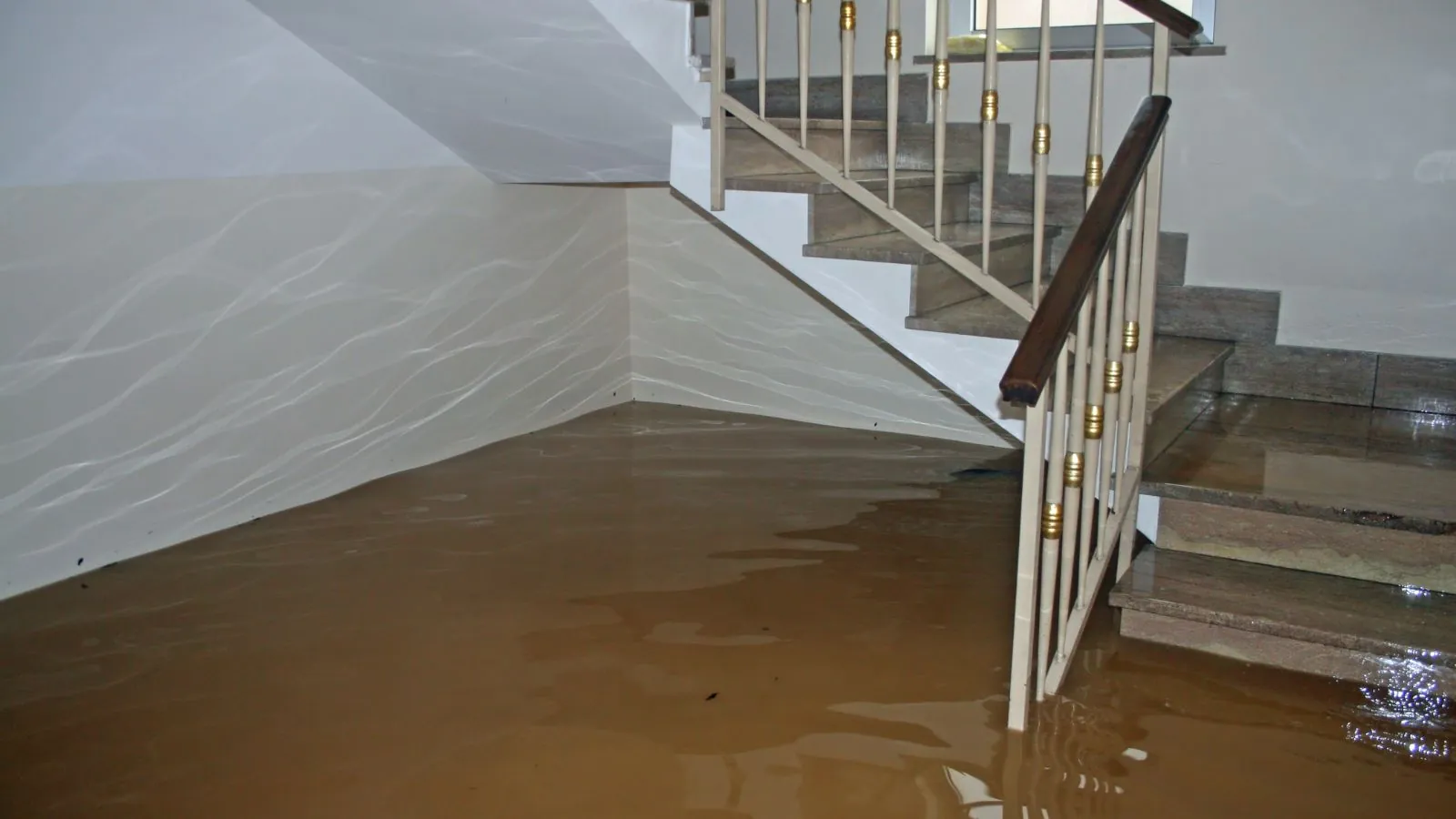
The short answer is that it depends on the cause. Many homeowners policies respond to sudden and accidental water damage, such as a pipe that splits overnight, and many do not respond to damage from a slow leak that went unrepaired for months. Flood is a different category entirely.
The New York Department of Financial Services states that the typical homeowners or renter policy does not cover flood damage. It also says a policy may cover water back-up and sewage damage, for example by endorsement. That means your answer sits in your own policy wording, so the rest of this guide shows what to look for.
Sudden and accidental versus gradual damage
Most policies draw a line between water that arrives suddenly and water that arrives slowly. A supply line that bursts, an appliance hose that fails or a water heater that ruptures is usually treated as sudden and accidental. A drip under a sink that ran for six months, or seepage that rotted a subfloor, is usually treated as maintenance.
This is why timing matters in your own story. If you can show when the damage started, with dated photos or a plumber invoice, the claim is easier to describe honestly. If a stain has been growing for a long time, say so. Insurers can usually tell, and an accurate account protects you.
Where flood fits, and why it is separate
Flood usually means water rising from outside, such as a storm surge, overflowing creek or heavy runoff that enters the building. The state describes flood as outside the typical homeowners policy. Coverage may come from a separate policy issued through the National Flood Insurance Program run by FEMA.
Many people assume rain that comes in through a roof or window counts as flood. It often does not, and a roof leak is usually reviewed under the regular policy. The wording of your policy decides, so ask your insurer which category a specific event would fall under before the next storm.
Call the 24/7 line. We document the damage with photos and moisture readings you can hand to your insurer.
Sewer and drain backup is its own question
A toilet or floor drain that pushes water up into the house is not the same as a burst pipe. According to the state, a policy may cover water back-up and sewage damage, for example by endorsement, and it typically excludes back-up caused by flood. If your policy never added that endorsement, a backup may be excluded.
Check your declarations page for a line that mentions water backup or sump discharge. If you cannot find one, call your agent and ask in plain words whether a backup would be covered and what the limit is. Write down the date you asked and who you spoke with.
A quick way to sort your situation
Use this as a starting map, not a verdict. Your policy language always controls.
| What happened | How policies often treat it | What to ask your insurer |
|---|---|---|
| A pipe or hose split suddenly | Often reviewed as sudden and accidental | Is the water damage and the repair of the pipe handled differently? |
| A slow drip over many months | Often treated as maintenance and not covered | What counts as long-term leakage in my policy? |
| Storm water rose in from outside | Usually flood, which needs a separate policy | Do I have an NFIP or private flood policy? |
| Sewer or drain backed up | May be covered only by endorsement | Do I have a water backup endorsement and what is its limit? |
| Rain came through the roof | Often reviewed under the regular policy | Does my policy cover interior damage from a storm opening? |
What a restoration company can and cannot do for a claim
A restoration crew cannot decide coverage, and nobody outside your insurer can promise a claim will be approved. What we can do is record the loss. That means dated photos, moisture readings, a list of materials removed and a written scope for drying and repair.
That record helps you describe the loss accurately. If you need drying work to start before an adjuster visits, tell your insurer what you are doing and keep every removed item or a photo of it. The state advises documenting your losses before you clean anything up.
Questions worth asking before a loss happens
- Does my policy list water backup, and what is the limit?
- How does my policy define sudden and accidental?
- Do I have flood coverage, and does it include the basement and its contents?
- What is my deductible for water damage, and is it different for storms?
- What proof does my insurer want after a loss?
Spending ten minutes on these questions in a calm week is much easier than doing it while carpet is wet. Keep the answers with your policy papers.
How to read your own policy
Start with the declarations page, which lists your coverage types and limits. Then find the section on water, usually under exclusions and additional coverages. Words like seepage, continuous leakage, surface water and backup tell you how your insurer treats each situation.
If the language is hard to follow, ask your agent to explain it in plain terms and to put the answer in writing. A short email asking how the policy treats a burst pipe, a slow leak and a drain backup gives you a record to keep with your papers.
Coverage questions for a Bellmore home
Bellmore sits on the South Shore of Nassau County, and the National Weather Service recorded water up to 4 feet deep in Bellmore during Hurricane Irene in August 2011. If your home is south of Merrick Road, that history is a reason to find out whether you carry a flood policy rather than assuming the regular one will respond.
Local press reported several feet of water in parts of South Bellmore during Hurricane Sandy in 2012. A homeowner there would have needed flood coverage for rising water and, separately, a backup endorsement if storm drains pushed water into the house. Check your FEMA flood map status for your address and ask your insurer which events your policy treats as flood.
For help with the drying side after any loss, our water extraction and basement cleanup pages explain what happens on site, and the service area page lists the towns we cover, including Freeport.
Frequently asked questions
Often yes when the water was sudden and accidental, but your policy wording decides. Ask whether the damage to the home and the cost of reaching the pipe are handled the same way.
Many policies exclude damage from long-term leakage. Tell your insurer the real timeline, and keep your photos and any plumber invoice that shows when the leak was found.
New York states the typical homeowners policy does not cover flood. A separate policy through the National Flood Insurance Program or a private flood policy may apply.
A policy may cover backup by endorsement and typically excludes backup caused by flood. Check for a water backup line on your declarations page.
Insurers look at the cause of water, not the street. Location matters for flood risk, so check the FEMA flood map for your address and ask about flood coverage.
No. Only your insurer decides coverage. We document the damage so you have clear records to share.
Call the line any hour and describe what you see. We will explain the scope and price before work starts.